The ubiquitous digital image, from a stunning photograph to a simple icon, is fundamentally composed of millions of tiny squares of color, known as pixels. To precisely define the color of each of these hex codes from image, computer systems rely on various color models, with the hex code system standing out as one of the most common and essential methods, particularly in web design and digital imaging. Understanding how an image translates into these six-character alphanumeric strings is key to unlocking a deeper appreciation of digital art and technology. This article will explore the structure of hex codes, their relationship to the RGB color model, and their crucial role in accurately representing the visual information within an image.
At its core, a hex code is a shorthand, web-friendly way of expressing an RGB (Red, Green, Blue) color value. The RGB model is an additive color system, meaning that different amounts of red, green, and blue light are added together to produce a broad spectrum of colors. In this model, three separate values dictate the intensity of the red, green, and blue components. Each value typically ranges from 0 to 255. The number 255 represents the maximum intensity (full saturation) of that color component, while 0 signifies the complete absence. This allows for 256×256×256=16,777,216 unique colors, which is generally referred to as “True Color.” This vast palette is what gives any digital image its richness and depth.
The transition from the decimal RGB values (like R: 255, G: 0, B: 0 for pure red) to a six-digit hex code is purely a matter of base conversion. Hex is short for hexadecimal, which is a base-16 numbering system, in contrast to the base-10 (decimal) system we use daily. The hexadecimal system uses sixteen distinct symbols: the numbers 0–9 and the letters A–F. The hex code itself is formed by taking the three decimal RGB values and converting each into a two-digit hexadecimal number. The format is always #RRGGBB, where RR is the hex value for Red, GG for Green, and BB for Blue. For instance, pure white, which is R: 255, G: 255, B: 255 in decimal, converts to #FFFFFF as its corresponding hex code. This structured representation ensures that any device reading the hex code will display the exact same color, preserving the intended look of the image.
The mathematical conversion from the decimal value of an RGB component to its two-digit hex code representation follows a simple process. Since 16
2
=256, two hexadecimal digits can represent the 256 possible intensity levels (0 through 255) of a single color channel. To find the two hex digits for a given decimal value, one typically divides the decimal value by 16 to find the first digit (the quotient) and then uses the remainder as the second digit. For example, the decimal value 170 converts to the hex code AA. This mathematical precision is what makes the hex code such a reliable standard for color definition, allowing for faithful color reproduction in every digital image.
In the context of an image, especially on the web, hex codes are foundational to CSS (Cascading Style Sheets), which dictates the visual presentation of a website. When a designer chooses a specific background color, button color, or text color, they are almost always using a hex code to define it. A web browser reads the CSS file, finds the hex code, and renders the specified color using the device’s display hardware. This standardization is critical for ensuring that an image or graphic element looks consistent across different browsers, operating systems, and monitors. Without the specificity of a hex code, color consistency in an image across the vast internet would be impossible to guarantee.
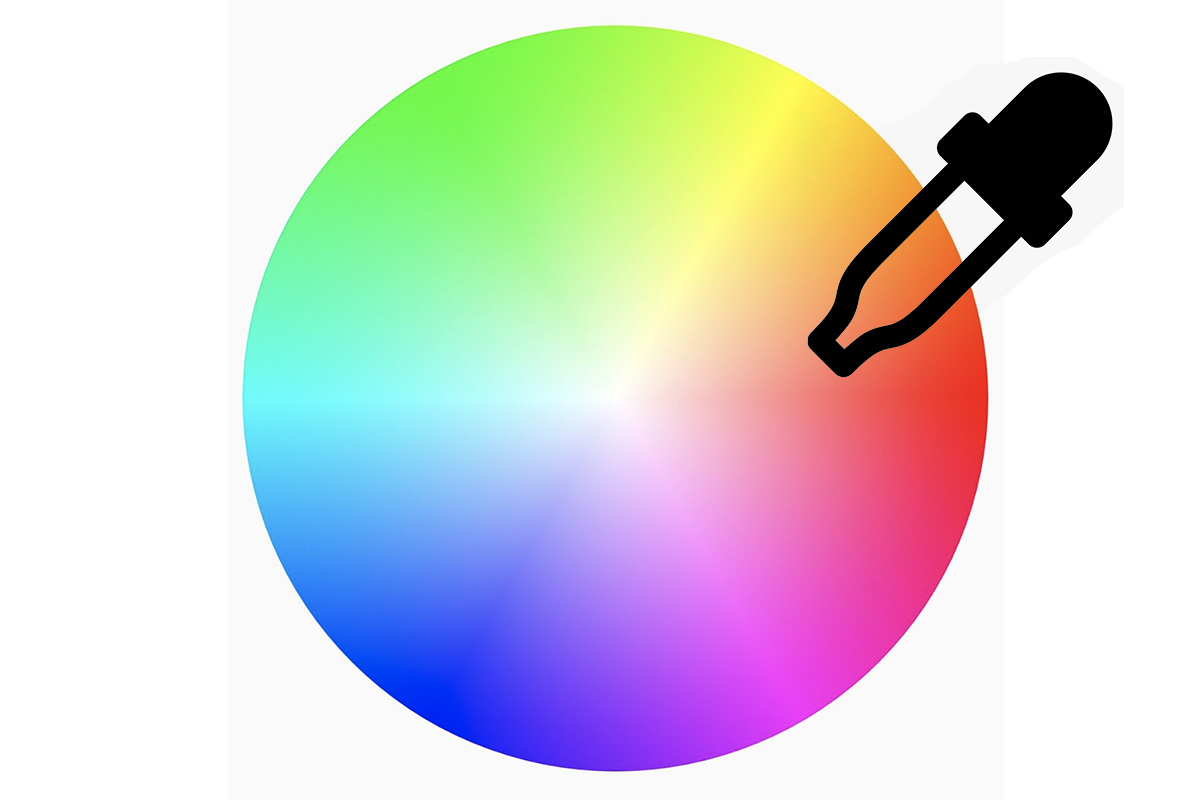
Tools like color pickers, often found in graphics software or browser extensions, are used to “sample” a color directly from an image on the screen. When a user clicks on a particular pixel in the image, the tool instantly identifies the decimal RGB values of that pixel and presents them as a single, easily copied hex code. This utility is invaluable for designers who need to maintain an exact color palette or match a specific shade found within a source image or brand logo. The ability to extract and reuse the precise hex code ensures design coherence and accuracy across an entire project.
While the hex code #RRGGBB is the most common format, a slightly longer version, including an alpha channel for transparency, is also widely used, especially in modern graphics programming. This format is typically #RRGGBBAA, where the last two digits, AA, represent the opacity or transparency level. Like the color channels, the alpha channel also ranges from 00 (fully transparent) to FF (fully opaque). This capability allows designers greater control over how an image layer interacts with the content beneath it, enabling sophisticated visual effects and overlays that are crucial for dynamic and interactive web design. The use of the alpha channel extends the utility of the hex code beyond simple color definition.
In conclusion, the simple, six-digit hex code is a powerful encoding system that bridges the gap between the human perception of color and the binary language of computers. It is the backbone of the digital color palette, providing a precise, universal, and efficient method for defining any of the over 16 million colors available in the True Color spectrum. Every vibrant photograph, subtle gradient, and solid block of color in a digital image owes its existence to the reliability and clarity of its corresponding hex code representation. Mastering this concept is a fundamental step for anyone working in digital design, development, or image processing, proving that a single alphanumeric string can unlock a universe of color.